
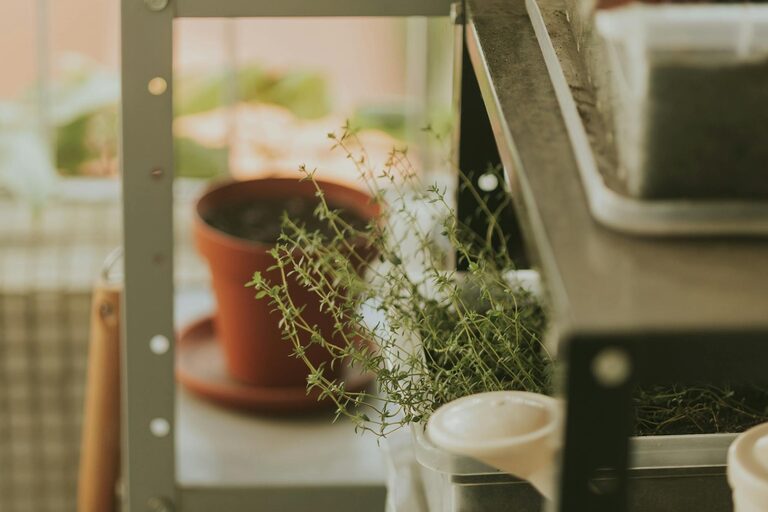
How to Start a Small Herb Garden Indoors: A Beginner’s Guide
Growing your own herbs indoors is a rewarding and practical hobby. Whether you want fresh basil for your spaghetti or mint for tea, an indoor herb garden brings fresh flavors and greenery into your home year-round. Best of all, it’s easy to get started—even with limited space or gardening experience. In this guide, we’ll walk you through everything you need to know to grow a beautiful and productive indoor herb garden.
Why Grow Herbs Indoors?
Indoor herb gardening offers several benefits:
– Freshness: Harvest herbs anytime you want, with peak flavor.
– Convenience: Herbs at your fingertips in the kitchen.
– Decoration: Add greenery and lovely scents to your living space.
– Cost savings: Growing herbs yourself can be cheaper than buying fresh ones frequently.
– Educational: A fun and relaxing activity to learn about plants.
Choosing the Right Herbs for Indoors
Some herbs thrive better indoors than others. Here are some easy and popular choices:
– Basil: Needs lots of light and warmth; perfect for sunny windows.
– Parsley: Tolerant of moderate light; needs consistent moisture.
– Mint: Very hardy and grows quickly; prefers indirect light.
– Thyme: Requires good light; drought-tolerant.
– Chives: Easy to grow; needs moderate sunlight.
– Oregano: Loves sun and warmth; great for cooking.
Starting with 3–5 types can keep your garden manageable while providing variety.
What You Need to Start Your Indoor Herb Garden
Before you plant, gather these basic supplies:
– Containers: Small pots, window boxes, or recycled containers with drainage holes.
– Potting mix: Use a light, well-draining potting soil specifically for indoor plants.
– Seeds or starter plants: You can start from seeds or buy young herb plants.
– A sunny spot or grow lights: Herbs need 6–8 hours of light daily.
– Watering can or spray bottle: For moistening the soil without flooding.
– Labels: To keep track of different herbs.
Step-by-Step Guide to Planting Your Indoor Herb Garden
1. Select Your Containers
Choose pots that have drainage holes to avoid waterlogging. Size depends on the herb; generally, a 4–6 inch pot works well for most herbs. Ensure they fit comfortably on your chosen windowsill or shelf.
2. Prepare the Soil
Fill pots with fresh potting mix, leaving about half an inch below the rim to avoid soil spilling when watering.
3. Plant Your Herbs
If using seeds: Follow packet instructions for depth and spacing. Lightly cover the seeds with soil and water gently. If using starter plants: Carefully loosen roots and plant at the same depth they were growing in their nursery pots.
4. Find the Perfect Light Spot
Most herbs need bright, direct or indirect sunlight. South-facing windows are often ideal. If natural light is lacking, consider using LED grow lights designed for plants.
5. Water Properly
Keep soil moist but not soggy. Water when the top inch of soil feels dry. Avoid overwatering which can cause root rot.
6. Maintain Your Garden
– Fertilize once a month with a balanced, water-soluble fertilizer.
– Pinch off flower buds to encourage leaf growth.
– Prune regularly to keep plants bushy and productive.
Tips to Keep Your Indoor Herb Garden Healthy
– Rotate pots weekly so all sides get light evenly.
– Avoid drafts or sudden temperature changes near windows.
– Use clean pots to prevent pests or diseases.
– Check for pests like aphids or spider mites; wipe leaves with a damp cloth if needed.
– Humidity: If your home is dry, mist herbs occasionally or place a water tray nearby.
Harvesting Your Herbs
Harvest herbs once the plants have grown enough leaves—usually once they are 6-8 inches tall. Pick leaves from the top to encourage new growth. Use scissors or pinch with your fingers, and avoid removing more than one-third of the plant at a time.
A Few Popular Indoor Herb Garden Ideas
– Herb Kitchen Window Box: Place a long, narrow container on your kitchen windowsill with basil, parsley, and chives.
– Mason Jar Garden: Use glass jars with drainage layers of pebbles for small herbs like thyme and mint.
– Tiered Herb Stand: Great for saving space while growing a variety of herbs.
Final Thoughts
Starting a small herb garden indoors is a delightful way to enjoy fresh flavors and brighten your home. With simple tools, the right herbs, and a bit of care, you can create a green corner full of aromatic treasures. So why wait? Grab some pots and seeds, find a sunny spot, and start your herb growing journey today! Happy gardening!
